
Home › Slow CKD Progression
KIDNEY HEALTH GUIDE · UPDATED OCT 2026
How to Slow Chronic Kidney Disease: 9 Evidence-Based Steps (2026)
A chronic kidney disease diagnosis can feel like a countdown. It isn’t. Many people with CKD never reach kidney failure, and today’s treatments can slow kidney damage more than ever before — especially when CKD is found early.
This guide explains what your stage means, the 9 steps that do the most to protect your kidneys (based on the KDIGO 2024 guideline, NIDDK and the National Kidney Foundation), the warning signs to watch for, and which popular “natural remedies” are hype.
By the YSD Editorial Team · Updated October 21, 2026 · Based on KDIGO, NIDDK & NKF guidance
★ THE SHORT ANSWER
✓ Blood pressure and blood sugar control matter most
✓ Ask about kidney-protecting medicines (ACE inhibitors/ARBs, SGLT2 inhibitors)
✓ Keep sodium under 2 g a day and protein at the right level
✓ Avoid NSAID painkillers and unchecked supplements
✓ Track your eGFR and urine albumin at every check-up
On this page: Can it be reversed? Stages 9 steps Warning signs Remedies: hype vs help FAQ
THE HONEST ANSWER
Can chronic kidney disease be reversed?
In most cases, the kidney damage behind CKD is permanent — kidneys don’t regrow lost filtering units. Kidney function that drops because of a short-term problem, such as dehydration, a blockage or a reaction to a medicine, can sometimes recover once the cause is treated.
The good news: progression is not fixed. Controlling blood pressure and blood sugar, cutting salt and using the right medicines can slow the decline — sometimes to the point where kidney function stays steady for years. That is the realistic goal, and it’s a meaningful one.
At a glance
✓ About 1 in 7 U.S. adults has CKD — and roughly 9 in 10 don’t know it (CDC)
✓ Diabetes and high blood pressure cause most CKD
✓ CKD is diagnosed when eGFR stays under 60, or there are signs of kidney damage such as albumin in the urine, for 3 months or more
✓ Heart disease is the most common serious complication — protecting your kidneys protects your heart too
KNOW YOUR NUMBERS
The 5 stages of chronic kidney disease
Your stage is based on your eGFR (a blood test estimating how well your kidneys filter) and your urine albumin-to-creatinine ratio (uACR). Both numbers matter: more albumin in the urine means a higher risk of progression, even at the same eGFR.
| Stage | eGFR | What it means |
|---|---|---|
| Stage 1 | 90 or higher | Normal filtering, but signs of kidney damage (such as protein in the urine) |
| Stage 2 | 60–89 | Mild loss of function with signs of kidney damage |
| Stage 3a / 3b | 45–59 / 30–44 | Mild-to-moderate / moderate-to-severe loss of function |
| Stage 4 | 15–29 | Severe loss of function — time to plan with a nephrologist |
| Stage 5 | Under 15 | Kidney failure — dialysis or a transplant may be needed |
WHAT ACTUALLY WORKS
9 evidence-based ways to slow chronic kidney disease
These steps come from the KDIGO 2024 CKD guideline, NIDDK and the National Kidney Foundation. The first five usually make the biggest difference.
STEP 1
Control your blood pressure
High blood pressure both causes and speeds up CKD. KDIGO suggests a systolic target under 120 mmHg for many adults with CKD when it’s tolerated — your doctor will set yours.
STEP 2
Manage blood sugar
If you have diabetes, keeping your A1C in your personal target range protects the tiny filters in your kidneys. Your target depends on your age and other health factors.
STEP 3
Cut sodium to under 2 g a day
Less salt lowers blood pressure and swelling and helps your medicines work better. Most salt comes from processed and restaurant food. See our CKD diet guide.
STEP 4
Eat the right amount of protein
For stages 3–5 (not on dialysis), KDIGO suggests about 0.8 g per kg of body weight a day. Avoid very high-protein diets and supplements unless your team approves.
STEP 5
Ask about kidney-protecting medicines
ACE inhibitors or ARBs reduce albumin in the urine, and SGLT2 inhibitors now slow CKD for many adults with or without diabetes. Never start or stop a medicine on your own.
STEP 6
Avoid kidney-harming drugs
Limit NSAIDs such as ibuprofen and naproxen, check every supplement and herbal product with your doctor, and remind providers about your CKD before scans that use contrast dye.
STEP 7
Move most days
Regular moderate activity — about 150 minutes a week, such as brisk walking, if your doctor agrees — helps blood pressure, blood sugar, weight and heart health.
STEP 8
Quit smoking and limit alcohol
Smoking damages blood vessels, including those in the kidneys, and is linked to faster CKD progression. If you drink alcohol, keep it moderate.
STEP 9
Track your labs and keep check-ups
Know your eGFR, uACR, blood pressure and potassium. Ask for copies of your results so you can spot changes early and act on them with your team.
WARNING SIGNS
Symptoms that CKD may be getting worse
Early CKD usually has no symptoms — which is why blood and urine tests matter. As kidney function drops, the National Kidney Foundation lists signs such as:
• Swelling in the feet, ankles or around the eyes
• Foamy or bubbly urine, or blood in the urine
• Needing to urinate more often, especially at night
• Tiredness, low energy and trouble concentrating
• Dry, itchy skin, muscle cramps and poor appetite
• Trouble sleeping
When to get help fast
! Much less urine than usual, or none
! Sudden swelling with shortness of breath
! Chest pain, confusion or a very irregular heartbeat
These can signal a dangerous problem. Call your doctor right away or seek emergency care.
NATURAL REMEDIES
Natural remedies for kidney disease: what helps vs. what’s hype
Plenty of products promise to “heal your kidneys naturally.” Here’s how the most common ideas stack up against the evidence.
✓ Blood pressure control
The single most proven way to protect kidney function, with or without medication.
✓ Less salt, less processed food
Lowers blood pressure and fluid build-up and boosts the effect of kidney medicines.
✓ Prescribed kidney medicines
SGLT2 inhibitors and ACE inhibitors/ARBs have strong trial evidence for slowing CKD.
✕ Detox teas & “kidney cleanses”
No evidence they help CKD, and some herbal ingredients can harm the kidneys or interact with medicines.
✕ Drinking extra water
Staying hydrated is good, but forcing large amounts doesn’t slow CKD — and can be harmful in later stages.
✕ DIY baking soda
Doctors sometimes prescribe sodium bicarbonate for high acid levels in CKD, but self-dosing adds sodium and can raise blood pressure.
STAYING ON TRACK
The hard part: doing all of this every day
Most people know they should cut salt and move more. The challenge is turning nine steps into habits that last. A written plan, a checklist and a way to track your numbers can help — as long as it supports your medical care rather than replacing it.
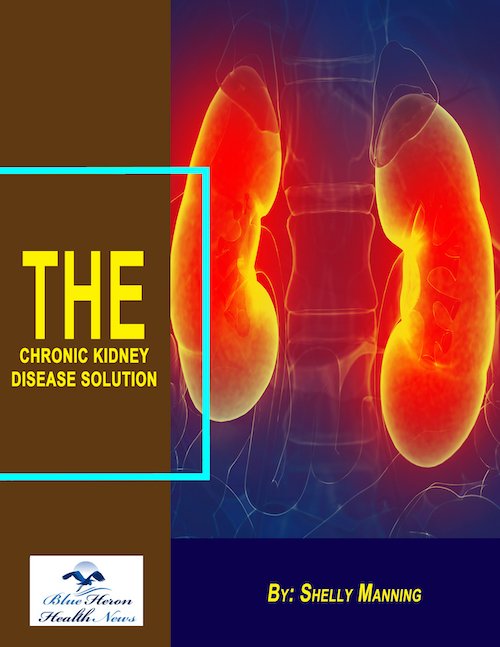
One option is The Chronic Kidney Disease Solution by Shelly Manning, a $49 digital program with a three-phase eating and lifestyle plan and lab tracking sheets, backed by a 60-day refund. We reviewed it in detail — including where its marketing promises more than the evidence supports.*
Our verdict in one line
Useful as a habit-building companion to your doctor’s plan — not a cure, and not a replacement for medicine.
YOUR QUESTIONS, ANSWERED
Slowing CKD: frequently asked questions
Can chronic kidney disease be reversed?
Usually not. The damage behind CKD is generally permanent, though kidney function that drops from a short-term cause such as dehydration or a medicine reaction can sometimes recover. What you can do is slow progression — often a lot — with blood pressure and blood sugar control, less salt and the right medicines.
What is the fastest way to slow kidney disease?
There’s no quick fix, but the biggest gains usually come from getting blood pressure and blood sugar into range and asking your doctor whether an ACE inhibitor/ARB or SGLT2 inhibitor is right for you. Cutting sodium supports both.
How long does it take for CKD to progress?
It varies widely. Many people with early CKD never reach kidney failure, while others progress faster — especially with uncontrolled diabetes, high blood pressure or a lot of albumin in the urine. Regular eGFR and uACR tests show your personal trend.
What is a normal eGFR?
An eGFR of 90 or higher is considered normal. An eGFR under 60 for three months or more points to CKD. eGFR naturally declines a little with age, so your doctor interprets it alongside your urine albumin.
Does drinking more water help kidney disease?
Staying well hydrated is sensible, but drinking extra water doesn’t slow CKD. In later stages or on dialysis, you may need to limit fluids. Follow your care team’s advice.
Which painkillers should I avoid with CKD?
NSAIDs such as ibuprofen and naproxen can reduce blood flow to the kidneys and are generally best avoided or limited. Ask your doctor or pharmacist which pain reliever is safest for you.
Does exercise help chronic kidney disease?
Yes. Regular moderate activity helps control blood pressure, blood sugar and weight, which all affect CKD. KDIGO advises at least 150 minutes a week of moderate activity for most people with CKD, adjusted to what you can safely do.
When should I see a nephrologist?
Your primary doctor will usually refer you when your eGFR falls below 30, when there is a lot of albumin in your urine, or when kidney function is dropping quickly. You can also ask for a referral at any stage.
YOUR NEXT STEP
Start with one change this week
Pick one step — checking your blood pressure at home, cutting a salty processed food, or asking your doctor about your uACR — and build from there. If you’d like a guided plan, read our honest review of The Chronic Kidney Disease Solution first.*
Sources & disclaimer
How we write our guides: we summarize guidance from public health agencies, clinical guidelines and kidney organizations, and link to every source so you can check it. Last updated October 21, 2026.
Sources:
- KDIGO — 2024 Clinical Practice Guideline for the Evaluation and Management of CKD
- NIDDK — Slow Progression & Reduce Complications
- National Kidney Foundation — 10 Signs You May Have Kidney Disease
- American Family Physician — Editorial on the KDIGO 2024 CKD guideline
- CDC — Chronic Kidney Disease in the United States
- American Kidney Fund — Stages of kidney disease
This article is for general education and is not medical advice. Kidney disease needs individual care: always follow the guidance of your doctor, nephrologist or renal dietitian, and never stop or change prescribed treatment on your own. Some links on this page are affiliate links — Your Supplement Digest may earn a commission if you buy through them, at no extra cost to you. ClickBank is the retailer of The Chronic Kidney Disease Solution.
Slow CKD, step by step
Read our CKD Solution review