
Healthy Toenails: 9 Everyday Foot-Care Habits Worth Trying
Simple daily habits can help your toenails look and feel their best. Here are nine worth building into your routine.
Toenails do a lot of quiet work. They are squeezed into shoes, exposed to damp socks and locker-room floors, and rarely get the attention your face or hands do. According to the Mayo Clinic, nail fungus is a common infection that affects toenails more often than fingernails, and even after successful care it often comes back. That makes everyday habits worth knowing about.
No habit can guarantee a particular result, and nothing here replaces medical advice. But these nine steps are simple, inexpensive and easy to start today.
1. Keep your feet clean and dry
Wash your feet daily and dry them thoroughly, especially between the toes. The Mayo Clinic notes that athlete’s foot can spread to the nail and that a nail infection can spread to the foot, so keeping skin healthy is part of looking after your nails.
2. Keep nails short and neatly trimmed
Long nails create more places for problems to start, so trim regularly. Use a clean, sharp clipper and avoid cutting into the skin, because even a minor nail or skin injury is listed by the Mayo Clinic as a risk factor.
3. Disinfect your nail clippers after every use
Wipe clippers and files with a disinfectant after each use so you do not reintroduce anything to your nails.
4. Keep your own nail tools
Sharing clippers, files or towels is an easy way to pass things around. Keep a personal set and store it somewhere dry.
5. Wash your hands after touching an affected nail
If a nail already looks thick, discolored or crumbly, wash your hands after touching it so you do not spread anything to other nails.
6. Choose salons that sterilize their tools
Ask how a salon cleans its tools between customers. A reputable pedicure studio should use sterilized instruments or single-use items for each client.
7. Go easy on nail polish and artificial nails
Polish and artificial nails can trap moisture and hide changes. Give your nails regular breaks so you can see what is going on underneath.
8. Wear breathable shoes and protect your feet in public spaces
Rotate your shoes so they can dry out, change damp socks promptly and wear sandals or shower shoes in public showers and pool areas.
9. Moisturize the nails and the skin around them
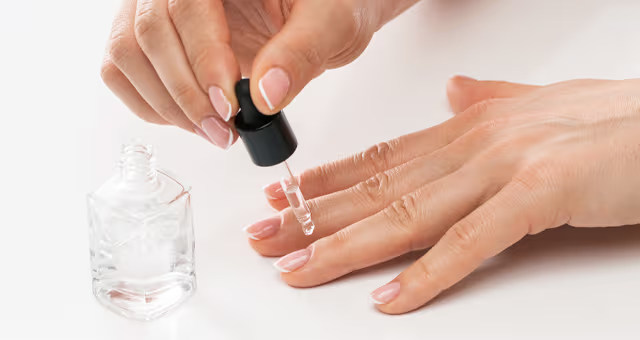
Dry, cracked skin and brittle nails are common complaints. Many people add a nourishing nail and cuticle oil to their routine. If you are curious about botanical blends, our Kerassentials review explains what is in one popular topical nail oil, what the research does and does not show, and how it is priced. Whatever you choose, patch test first, because essential oils can irritate sensitive skin.
When to See a Doctor or Podiatrist
Home care has limits. Book an appointment if a nail is painful, swollen, spreading, rapidly changing or leaking fluid, or if the problem keeps returning. The Mayo Clinic also advises people with diabetes, or with conditions that reduce blood flow to the feet, to see a healthcare provider about any suspected nail infection rather than managing it alone.
Looking for more on nail and foot care? Read our Kerassentials review for a closer look at a topical nail oil, including ingredients, side effects, complaints and pricing.
Affiliate disclosure: Your Supplement Digest may earn a commission if you purchase through links on pages we link to, at no additional cost to you.
Medical disclaimer: This article is for educational purposes only and is not medical advice. Talk to a qualified healthcare professional about any nail or foot concern.