
Astaxanthin: Benefits, Dosage, Side Effects & Safety
What Is Astaxanthin?
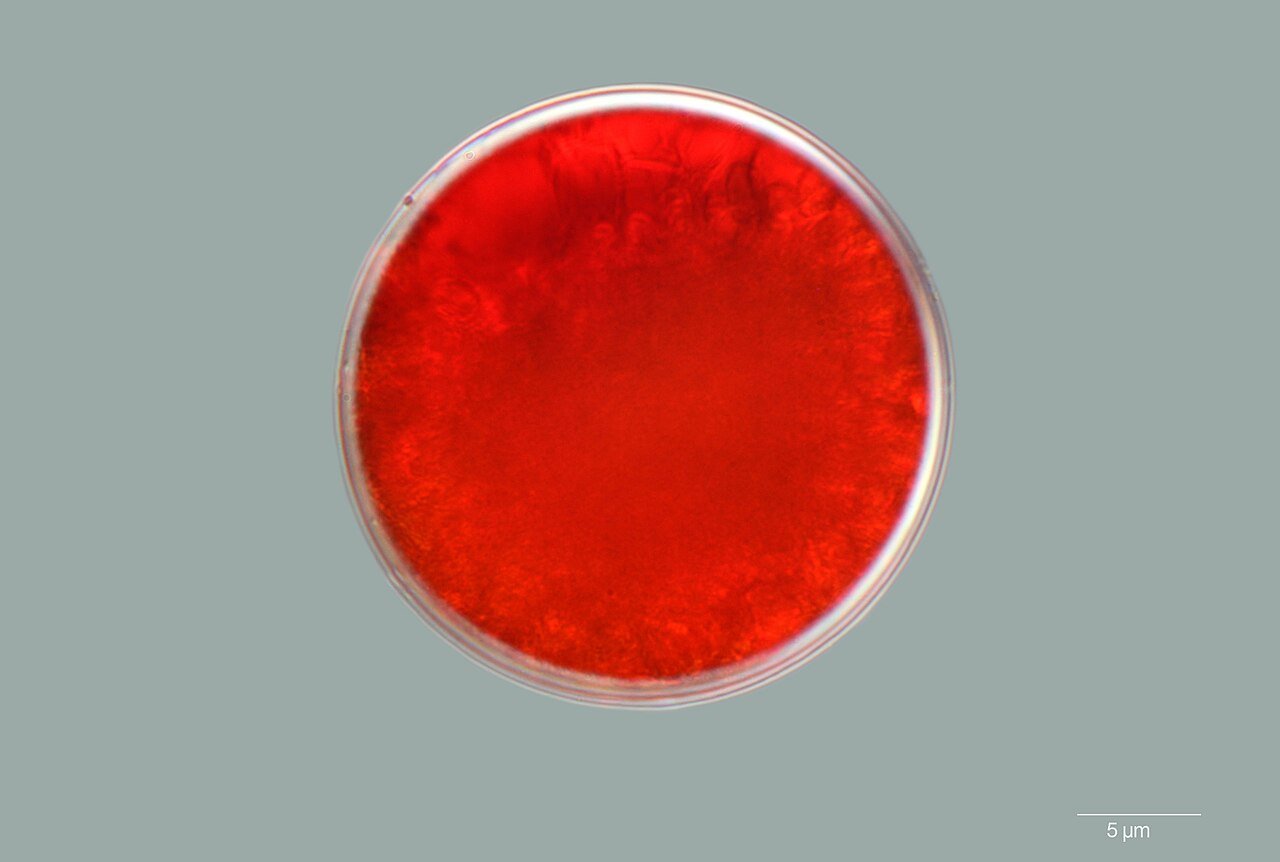
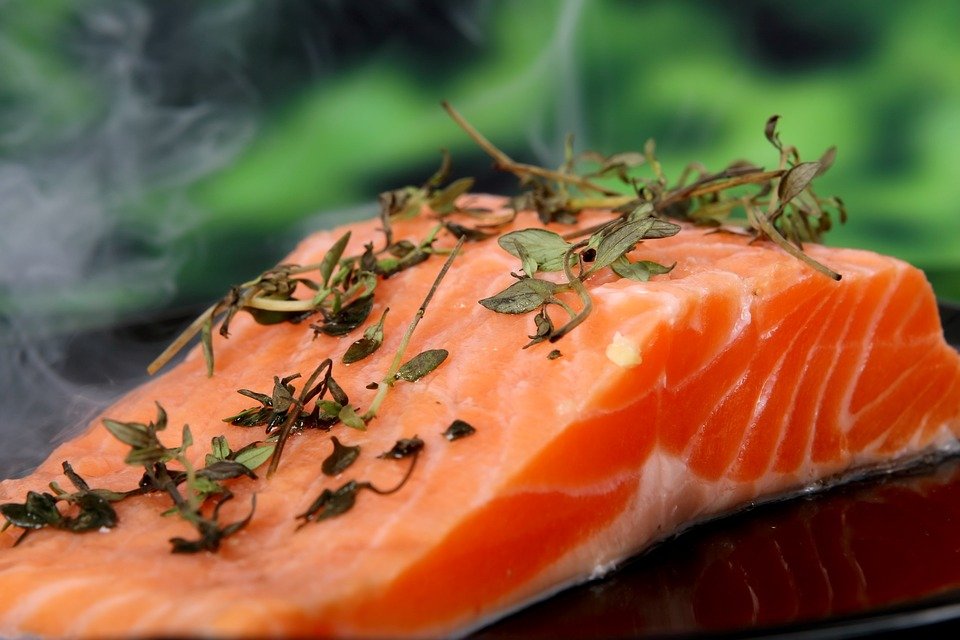
Astaxanthin is a naturally occurring red-orange pigment in the carotenoid family, specifically a xanthophyll. It is found in certain microalgae, yeast, salmon, trout, shrimp, krill and other aquatic organisms. It contributes to the pink-red color of many seafoods. The microalga Haematococcus pluvialis is a widely used source of natural astaxanthin in dietary supplements.
Researchers are studying astaxanthin because of its antioxidant activity in laboratory settings and its possible effects on skin health, eye comfort, exercise recovery and markers of inflammation. A biological mechanism or promising laboratory result, however, does not prove that a supplement prevents or treats disease.
How Does Astaxanthin Work?
Astaxanthin is fat-soluble. Its chemical structure allows it to interact with cell membranes, and laboratory research suggests that it can neutralize certain reactive oxygen species and influence pathways involved in oxidative stress and inflammation. Oxidative stress occurs when reactive molecules exceed the body’s ability to manage them.
These mechanisms explain why astaxanthin is being studied, but they do not guarantee a clinical benefit. Human studies remain limited, and results can vary by dose, formulation, study duration and participant characteristics.
Potential Astaxanthin Benefits: What Does Research Say?
1. Skin Hydration, Elasticity and Appearance
Skin health is one of the more frequently studied uses. Small clinical trials have examined skin moisture, elasticity, texture and responses to ultraviolet exposure. A systematic review and meta-analysis reported improvements in skin moisture and elasticity in the studies included, but did not find a statistically significant reduction in wrinkle depth compared with placebo.
The findings are encouraging but not definitive. Many studies were small, relatively short and conducted in specific populations. Astaxanthin should not replace sunscreen, protective clothing, a balanced diet or evidence-based dermatological care. Read the systematic review and meta-analysis on astaxanthin and human skin ageing.
2. Eye Health and Visual Comfort
Astaxanthin is being investigated for eye health because oxidative stress is one of several processes studied in ocular tissues. Some small human studies have explored visual fatigue, eye strain and measures of visual function. Current evidence is not sufficient to conclude that astaxanthin prevents cataracts, macular degeneration, glaucoma or vision loss.
Persistent blurred vision, eye pain, flashes, new floaters or a sudden change in sight need professional assessment. Astaxanthin is not a substitute for an eye examination or prescribed treatment.
3. Antioxidant and Inflammation-Related Markers
Human research has examined astaxanthin’s effects on oxidative-stress markers and inflammatory compounds. A systematic review of human studies published from 2020 to 2025 reported changes in some markers, including measures related to antioxidant capacity and inflammation. The authors emphasized the need for more well-designed trials to confirm the findings and determine their clinical importance. See the systematic review of astaxanthin in human health.
A change in a blood marker does not necessarily mean a person feels better, avoids illness or lives longer. More research is needed before astaxanthin can be recommended to prevent or treat inflammatory conditions.
4. Exercise, Muscle Recovery and Physical Performance
Researchers have investigated exercise-related oxidative stress, muscle damage, fatigue and recovery. Some studies report favorable changes in selected laboratory or performance measures, while others do not show clear benefits. Differences in exercise protocols, participant fitness, dose and study design make the results difficult to combine.
Astaxanthin is not a proven performance enhancer. Training quality, adequate calories and protein, hydration, sleep and sensible recovery remain more important foundations.
5. Heart and Metabolic Health
Preclinical research and some small human studies have explored possible effects on blood lipids, blood pressure, blood vessel function and glucose-related measures. These are areas of scientific interest, not established treatment benefits. Evidence does not show that astaxanthin prevents heart attacks, strokes or diabetes, and it should never replace prescribed medication or clinician-recommended care.
6. Brain Health and Healthy Ageing
Laboratory and animal research has examined astaxanthin in relation to oxidative stress in the nervous system. Human research is much less conclusive. There is not enough reliable clinical evidence to say that taking astaxanthin prevents dementia, Alzheimer’s disease, Parkinson’s disease or age-related cognitive decline. Claims that it is a proven brain-protective or anti-ageing treatment go beyond current evidence.
Foods That Contain Astaxanthin
Astaxanthin occurs naturally in the aquatic food chain. Dietary sources include salmon, rainbow trout, krill, shrimp, crayfish and some other crustaceans. Amounts vary by species, feed and origin. Astaxanthin-rich microalgae are also used as an ingredient in some supplements. Food concentrations vary, so eating these foods does not provide a standardized supplement dose. A varied diet is a better foundation for overall nutrition than relying on one carotenoid.
Natural vs. Synthetic Astaxanthin
Natural astaxanthin used in many human supplement studies is commonly produced from the microalga Haematococcus pluvialis. Synthetic astaxanthin is manufactured through a different process and is widely used in aquaculture feed. The forms can differ in their stereoisomer composition, so evidence from one form should not automatically be applied to another.
When comparing supplements, check the label for the source, the amount of actual astaxanthin per serving and whether the product identifies the ingredient as derived from Haematococcus pluvialis. Do not assume algae powder provides the same amount as a standardized extract.
Astaxanthin Dosage: How Much Is Typically Used?
There is no universally established recommended daily allowance or medically proven optimal dose for astaxanthin. Human studies have used different amounts depending on the research question and formulation. Skin-health studies have commonly examined approximately 3–6 mg per day, while other clinical research has used different amounts.
This describes doses studied in some trials; it is not an individualized recommendation or a guarantee of benefit or safety. Follow the product label and ask a healthcare professional whether a supplement is appropriate, particularly if you plan to use it for an extended period or take other medicines.
Astaxanthin is fat-soluble, so taking it with a meal that contains some dietary fat may support absorption. Follow the manufacturer’s directions rather than increasing the dose in search of faster results.
Astaxanthin Side Effects and Safety
Natural astaxanthin has generally been well tolerated in the human studies reviewed to date, but available research cannot establish long-term safety for every person, dose or product. A safety review covering 87 human studies did not identify a clear safety concern with natural astaxanthin in the studied settings. That is reassuring, but it does not mean side effects are impossible or that every product is equivalent. Read the astaxanthin safety review.
Speak with a healthcare professional before use if you are pregnant, trying to become pregnant or breastfeeding; take prescription medicines, especially those affecting blood pressure, blood glucose or blood clotting; have a chronic medical condition; are preparing for surgery; are considering giving it to a child or teenager; or have had an allergic reaction to a supplement ingredient. Reliable safety information is insufficient for some of these groups, and possible medicine interactions should be checked rather than assumed.
Stop taking the supplement and seek medical advice if you develop a concerning reaction. Do not stop or change prescribed medication to use astaxanthin.
How to Choose an Astaxanthin Supplement
- Clearly stated amount: Check the milligrams of astaxanthin per serving, not just the total weight of an algae blend.
- Identified source: Look for a clearly stated source such as Haematococcus pluvialis.
- Independent quality testing: Prefer products with credible third-party testing for identity, purity and contaminants, where available.
- Transparent Supplement Facts: Check serving size, other ingredients, allergens and directions.
- Realistic claims: Be skeptical of products promising to reverse ageing, cure eye disease, prevent cancer or replace medication.
- Manufacturer details: Look for a company name, contact details, lot number and expiration date.
In the United States, the FDA does not approve dietary supplements for safety and effectiveness before they are marketed. Manufacturers are responsible for ensuring their products meet applicable requirements. Read the FDA’s Questions and Answers on Dietary Supplements.
Astaxanthin vs. Other Antioxidants
Astaxanthin is sometimes compared with other carotenoids and antioxidants, but these ingredients are not interchangeable. Their food sources, absorption, biological roles and human evidence differ.
- Astaxanthin vs. beta-carotene: Both are carotenoids, but they have different chemical structures and biological behavior. Astaxanthin is not converted into vitamin A in the same way beta-carotene can be.
- Astaxanthin vs. lutein and zeaxanthin: These are also xanthophyll carotenoids, but have different research histories and should not be treated as substitutes.
- Astaxanthin vs. vitamins C and E: These antioxidants differ in solubility, function and human evidence. A higher antioxidant result in a laboratory test does not automatically mean a greater health benefit in people.
Frequently Asked Questions About Astaxanthin
What is astaxanthin used for?
Astaxanthin is sold as an antioxidant dietary supplement. People commonly take an interest in it for skin appearance, eye comfort, exercise recovery and general wellness. Human evidence remains limited, and it is not an established treatment for a medical condition.
Does astaxanthin really work?
Some small human studies report improvements in selected measures, particularly skin moisture and elasticity. Evidence for other advertised benefits is mixed or preliminary. Whether it makes a noticeable difference depends on the outcome, product and individual.
How long does astaxanthin take to work?
There is no established time frame in which everyone should expect results. Clinical trials have used different durations, and a result measured in a study does not guarantee a noticeable effect in everyday use. Be cautious of products promising rapid results.
Should astaxanthin be taken in the morning or at night?
No specific time of day has been established as best. Follow product directions. Taking it with a meal containing some fat may support absorption.
Can astaxanthin be taken every day?
Some clinical studies have evaluated daily use for limited periods, but this does not establish that continuous use is necessary or appropriate for everyone. Discuss regular or long-term use with a healthcare professional.
Is astaxanthin good for skin?
Small clinical studies suggest possible improvements in skin moisture and elasticity. The evidence is promising but limited, and astaxanthin does not replace sunscreen or established skin care.
Is astaxanthin good for eyesight?
It has been studied for visual fatigue and certain eye-related measures, but evidence is not strong enough to claim that it prevents or treats eye disease. Persistent visual symptoms need professional assessment.
Can astaxanthin be taken with other supplements?
It may be included in multi-ingredient formulas, but combining supplements can make it harder to identify side effects and may duplicate ingredients. Ask a pharmacist or clinician to review your full supplement and medication list.
Is natural astaxanthin better than synthetic astaxanthin?
Natural and synthetic forms can differ in composition. Much of the human supplement research has examined natural astaxanthin from Haematococcus pluvialis, so check the source and do not assume evidence for one form applies equally to another.
Is astaxanthin FDA approved?
The FDA does not approve dietary supplements for safety and effectiveness before they are marketed. A supplement should not be described as FDA-approved to treat or prevent a disease.
The Bottom Line
Astaxanthin is a naturally occurring carotenoid with interesting antioxidant properties and a growing body of human research. The most encouraging clinical findings relate to selected skin measures, while research into eye comfort, exercise recovery, inflammation and metabolic health remains preliminary or mixed. It is not a proven way to prevent ageing or treat disease.
If you are considering an astaxanthin supplement, choose a clearly labeled product from a reputable manufacturer, review its dose and source, and check with a healthcare professional if you take medication, have a medical condition, are pregnant or breastfeeding, or are considering long-term use. A balanced diet, sun protection, regular exercise and appropriate medical care remain the foundations of good health.
References and Further Reading
- Effects of Astaxanthin Supplementation on Skin Health: A Systematic Review of Clinical Studies. PubMed.
- Systematic Review and Meta-Analysis on the Effects of Astaxanthin on Human Skin Ageing. PubMed.
- Astaxanthin: How Much Is Too Much? A Safety Review. PubMed.
- The Role of Astaxanthin as an Antioxidant and Anti-Inflammatory Agent in Human Health: A Systematic Review. PubMed.
- U.S. Food and Drug Administration. Questions and Answers on Dietary Supplements. FDA.
Editorial note: This article is for educational purposes only and is not a substitute for individualized medical advice, diagnosis or treatment.
Astaxanthin in Nature: From Microalgae to Food Sources
Astaxanthin is a red-orange carotenoid found in certain microalgae and aquatic foods. These images show two ways it appears in nature: as pigment within microalgae and in seafood such as salmon.
Astaxanthin in Supplements: A Look at VisiFlora
Astaxanthin is also included in some multi-ingredient eye-health supplements. For readers interested in how this carotenoid is used in a finished formula, take a look at our VisiFlora review. It explains the supplement’s ingredients and intended gut-and-eye health positioning. Remember that the presence of astaxanthin in a formula does not by itself establish that the product will improve vision or treat an eye condition.